Untitled design - 2024-02-21T125456.601

A Call for Regulatory Reform within the Maritime Industry

Over the last century the international community has proven inadequate prioritization of maritime regulations resulting in environmental catastrophes, fatal shipwrecks, and transnational safety concerns. While there has been significant reform following many of these events, had there been the regulatory refinement prior to these cataclysmic disasters, could they have been prevented all together.

The purpose of this call to action is to urge regulatory agencies, much like the Coast Guard and International Maritime Organization, to perform recurrent checks on maritime regulations to better analyze potential threats and mitigate disasters in the near future.
The numerous shipwrecks and environmental disasters seen within the maritime
industry has resulted in a significant loss of life, serving as a stark reminder of the need to prioritize safety, environmental protections, and responsible operations. High-profile incidents over the last century have catalyzed global consensus on safety measures and liability issues, further shaping the maritime landscape. The analysis of three influential cases – the shipwrecks of the R.M.S. Titanic and Marine Electric, as well as the oil spill of the Exxon Valdez – presents empirical evidence of the maritime industry underscoring the importance of a global reconciliation under jus cogens.

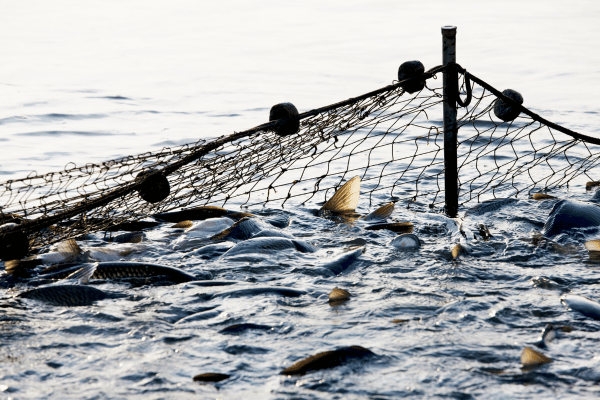
In America, northeastern fishing communities bring Supreme Court’s attention for the reversal of the Chevron Doctrine due to egregious and unworkable conditions, which would cause rippling effects throughout many American
agencies. After the case’s court appearance in late-January, a decision by the SCOTUS is expected by mid-June.

Exxon Valdez

On March 24, 1989, the oil supertanker, Exxon Valdez, ran aground in Prince William Sound, Alaska spilling 11 million gallons of oil killing hundreds of thousands of biotic life and coating over thousand miles of coastline in crude oil.

R.M.S. Titanic

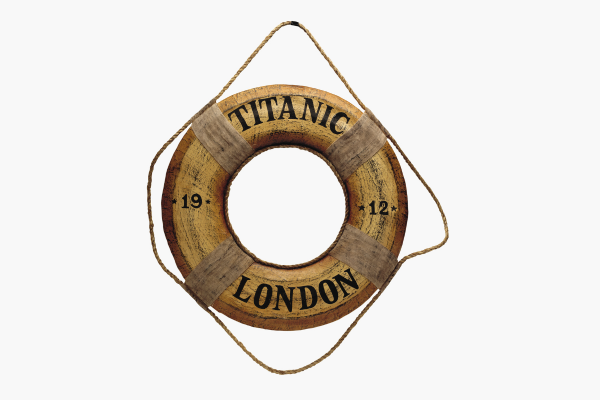
The R.M.S Titanic of 1912 was the first luxury British ocean liner of its kind. Celebrated for its “unsinkable” reputation, the ship’s collision with an iceberg 350 miles from the northern coast of Canada defied expectations.

Marine Electric

The Marine Electric, a World War II-era (1944) coal carrier, encountered a violent storm off the East Coast of the United States. Combining the ship’s age and the Atlantic’s treacherous conditions, the vessel sank with only three men surviving.